Musical Modes
Overview of Ionian, Dorian, Phrygian, Lydian, Mixolydian, Aeolian, and Locrian, plus harmonic & melodic variants. Derived from the major/minor family with unique interval patterns and example usages.
Introduction
Modes are different types of scales that use the same set of notes but follow different patterns of whole and half steps. Each mode has its own sound and mood. The seven modes in Western music Ionian, Dorian, Phrygian, Lydian, Mixolydian, Aeolian, and Locrian are derived from the major scale by starting on a different note. Their history lies in ancient Greek and medieval music, and are still used in modern music today.
Modes in C Major Scale
All seven modes use the same notes as the C major scale, but each one begins on a different note. This table shows which notes are in each mode.
| Mode | Name | Tonic | Notes | Interval Formula (from mode root) | Notes Alteration vs. Major | Audio Sample |
|---|---|---|---|---|---|---|
| I | Ionian | C | C D E F G A B | W–W–H–W–W–W–H | None (major) | |
| II | Dorian | D | D E F G A B C | W–H–W–W–W–H–W | ♭3, ♭7 | |
| III | Phrygian | E | E F G A B C D | H–W–W–W–H–W–W | ♭2, ♭3, ♭6, ♭7 | |
| IV | Lydian | F | F G A B C D E | W–W–W–H–W–W–H | #4 | |
| V | Mixolydian | G | G A B C D E F | W–W–H–W–W–H–W | ♭7 | |
| VI | Aeolian | A | A B C D E F G | W–H–W–W–H–W–W | ♭3, ♭6, ♭7 | |
| VII | Locrian | B | B C D E F G A | H–W–W–H–W–W–W | ♭2, ♭5, ♭6, ♭7 |
For quick reference, here is the C major scale with each mode’s root highlighted conceptually:
C Ionian
D Dorian
E Phrygian
F Lydian
G Mixolydian
A Aeolian
B Locrian
The Seven Modes
Below are the basic descriptions, interval structures (relative to a root), and characteristics of each of the seven diatonic modes. With example songs included to understand how these modes are used in modern music.
Ionian
Essentially the major scale; bright, uplifting, associated with happiness and joy. often used in classical and modern pop music.
Interval pattern: W–W–H–W–W–W–H
Formula: 1 2 3 4 5 6 7
Song example: "Let it Be" (The Beatles)
Example on C: C D E F G A B
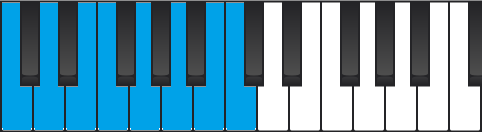
Dorian
Minor tonality with a raised 6th compared to natural minor; melancholic yet hopeful. Appears in many classical and modern pieces.
Interval pattern: W–H–W–W–W–H–W
Formula: 1 2 ♭3 4 5 6 ♭7
Song example: "Scarborough Fair" (Simon & Garfunkel)
Example on D: D E F G A B C

Phrygian
Minor scale with a flattened 2nd; dark and exotic, often associated with tension and mystery.
Interval pattern: H–W–W–W–H–W–W
Formula: 1 ♭2 ♭3 4 5 ♭6 ♭7
Song example: "Hava Nagila" (traditional)
Example on E: E F G A B C D
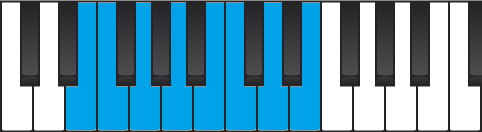
Lydian
Major scale with a raised 4th; dreamy and ethereal.
Interval pattern: W–W–W–H–W–W–H
Formula: 1 2 3 #4 5 6 7
Song example: The Simpsons Theme (Danny Elfman)
Example on F: F G A B C D E
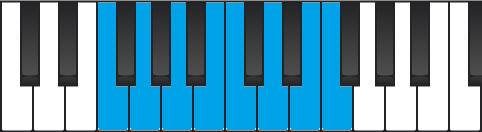
Mixolydian
Major scale with a flattened 7th; bright and upbeat, common in folk and rock.
Interval pattern: W–W–H–W–W–H–W
Formula: 1 2 3 4 5 6 ♭7
Song example: "When Johnny Comes Marching Home"
Example on G: G A B C D E F

Aeolian
The natural minor scale; somber and introspective.
Interval pattern: W–H–W–W–H–W–W
Formula: 1 2 ♭3 4 5 ♭6 ♭7
Song example: "Nothing Else Matters" (Metallica)
Example on A: A B C D E F G
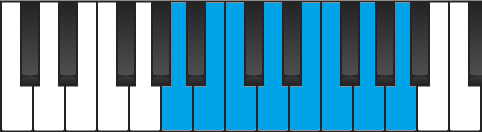
Locrian
Most dissonant; flattened 2nd and 5th, lacks perfect 5th, making it unstable and rarely used as a tonic.
Interval pattern: H–W–W–H–W–W–W
Formula: 1 ♭2 ♭3 4 ♭5 ♭6 ♭7
Song example: "Army of Me" (Björk)
Example on B: B C D E F G A

Harmonic & Melodic Scales
The harmonic and melodic variants alter specific scale degrees to produce characteristic tension or smoother melodic motion. They are often treated as independent “modes” within minor/major families.
Harmonic Minor
Minor scale with a raised 7th, creating distinctive leading-tone tension, common in classical and Middle Eastern music.
Example (A): A B C D E F G#
Intervals: W–H–W–W–H–1½–H
Audio Example:
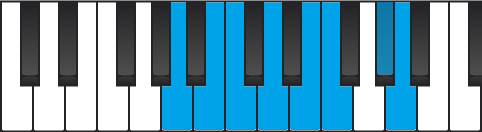
Harmonic Major
Major scale with a lowered 6th; mixes brightness with a subtle dark coloration on the 6th degree.
Example (C): C D E F G A♭ B
Intervals: W–W–H–W–H–1½–H
Audio Example:

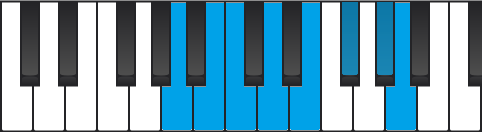
Melodic Minor (Ascending)
Minor scale with raised 6th and 7th while ascending for a smoother melodic line; descends as natural minor in traditional practice.
Example (A): A B C D E F# G#
Intervals: W–H–W–W–W–W–H
Audio Example:
Melodic Major
Major scale with lowered 6th and 7th; gives a slightly darker, modern-jazzy feel.
Example (C): C D E F G A♭ B♭
Intervals: W–W–H–W–H–H–W
Audio Example: